%2Ffit-in%2F250x250%2Fguide_websites%2F15646%2Fimages%2F1716512290034image86.png&w=1920&q=100)
Caught a trophy crappie in Lake Fork
Crappie Fishing in Lake Fork
%2F%2Fusers%2F17d7fad9-260c-4468-8186-c2abd645d008%2Fimages%2Fcrappie-fishing-lake-fork-marina-9610.png&w=1920&q=75)
Crappie are one of the most popular panfish species for anglers in the United States. Belonging to the Centrarchidae family and Perciformes order, these fish typically range from 4 to 19 inches, with trophy specimens weighing up to 5 pounds. - Primarily inhabit lakes, reservoirs, and slow-moving rivers. - Come in two main varieties: Black Crappie (Pomoxis nigromaculatus) and White Crappie (Pomoxis annularis).
Guided Fishing Trip by Guide Curtis Keller in October

Meet your Guide Curtis Keller
- Top Lake Fork Crappie Fishing Guide! Book Now!


Summary
Spent a beautiful Friday October day on Lake Fork Reservoir with Curtis Keller of Crappie Curtis Guide Service. Clear, calm conditions created perfect visibility for our guided fishing trip focused on fall crappie action. Working both bottom fishing techniques and live bait presentations along deeper structure, we consistently pulled in crappie throughout the day. Lake Fork's diverse underwater structure makes it one of Texas's premier crappie fisheries, especially during the fall months. Whether you're a beginner or experienced angler, this 4 to 8 hour charter trip provides the flexibility needed to adapt to fish movement and changing conditions. Experience why Lake Fork has earned its reputation as a top crappie destination in East Texas.
Fishing Charter with Curtis Keller – Rates & Booking
Guide Curtis Keller of Crappie Curtis Guide Service on Friday October offers the Fishing Guides Lake Fork 4 To 8 Hour Charter Trip for targeting trophy crappie on Lake Fork Reservoir. This trip includes professional guidance, all necessary fishing equipment, and access to prime fishing spots throughout the lake. With years of local experience, Curtis knows exactly where to find the best crappie action depending on seasonal patterns and conditions. The pontoon boat setup provides comfortable, accessible fishing for up to 2 guests, making this charter perfect for small groups, families, or solo anglers looking to improve their skills.
Highlights of Fishing Guides Lake Fork | 4 To 8 Hour Charter Trip
This guided fishing adventure focuses on Lake Fork's excellent crappie fishing, with flexibility to adjust techniques based on conditions. Curtis specializes in both bottom fishing and live bait presentations, targeting the lake's structure-rich environment where crappie tend to congregate during fall months. The 4 to 8-hour timeframe allows plenty of opportunity to explore multiple fishing spots while learning effective techniques from an experienced local guide.
Lake Fork Reservoir is widely recognized as one of Texas's premier fishing destinations, not just for bass but also for its outstanding crappie population. The lake's diverse underwater structure provides ideal habitat for these popular gamefish, making it a consistent producer year after year. Whether you're looking to fill a cooler with tasty crappie or simply enjoy a day on the water learning new skills, this guided trip delivers a true East Texas fishing experience.
Local Species Insights: Crappie
Lake Fork is home to healthy populations of black crappie, which thrive in the reservoir's structure-rich environment. During fall months, crappie typically move to deeper water, congregating around submerged brush piles, timber, and artificial structures in 15-25 feet of water. Curtis specializes in locating these schools using advanced sonar technology, then targeting them with precision techniques.
Black crappie in Lake Fork tend to be both numerous and quality-sized, with many fish in the 10-12 inch range and trophy specimens exceeding 15 inches. The lake's fertile water and abundant forage base create ideal conditions for these popular panfish. The bite can remain consistent throughout fall, making October an excellent time to target them before winter patterns set in.
Plan Your Fishing Charter Day
Your Lake Fork crappie trip aboard Curtis's comfortable, well-equipped pontoon boat includes all necessary fishing gear, tackle, and live bait when needed. The boat accommodates up to 2 guests comfortably, with ample fishing space and protection from the elements if weather changes. Morning trips typically begin around sunrise for optimal fishing conditions, though afternoon trips can also be productive during fall months. Dress in layers appropriate for the weather, and don't forget sun protection, a camera to document your catch, and a cooler for fish you wish to keep. The accessible pontoon setup makes this trip suitable for anglers of various experience levels and physical abilities.
Fishing in Lake Fork: Crappie
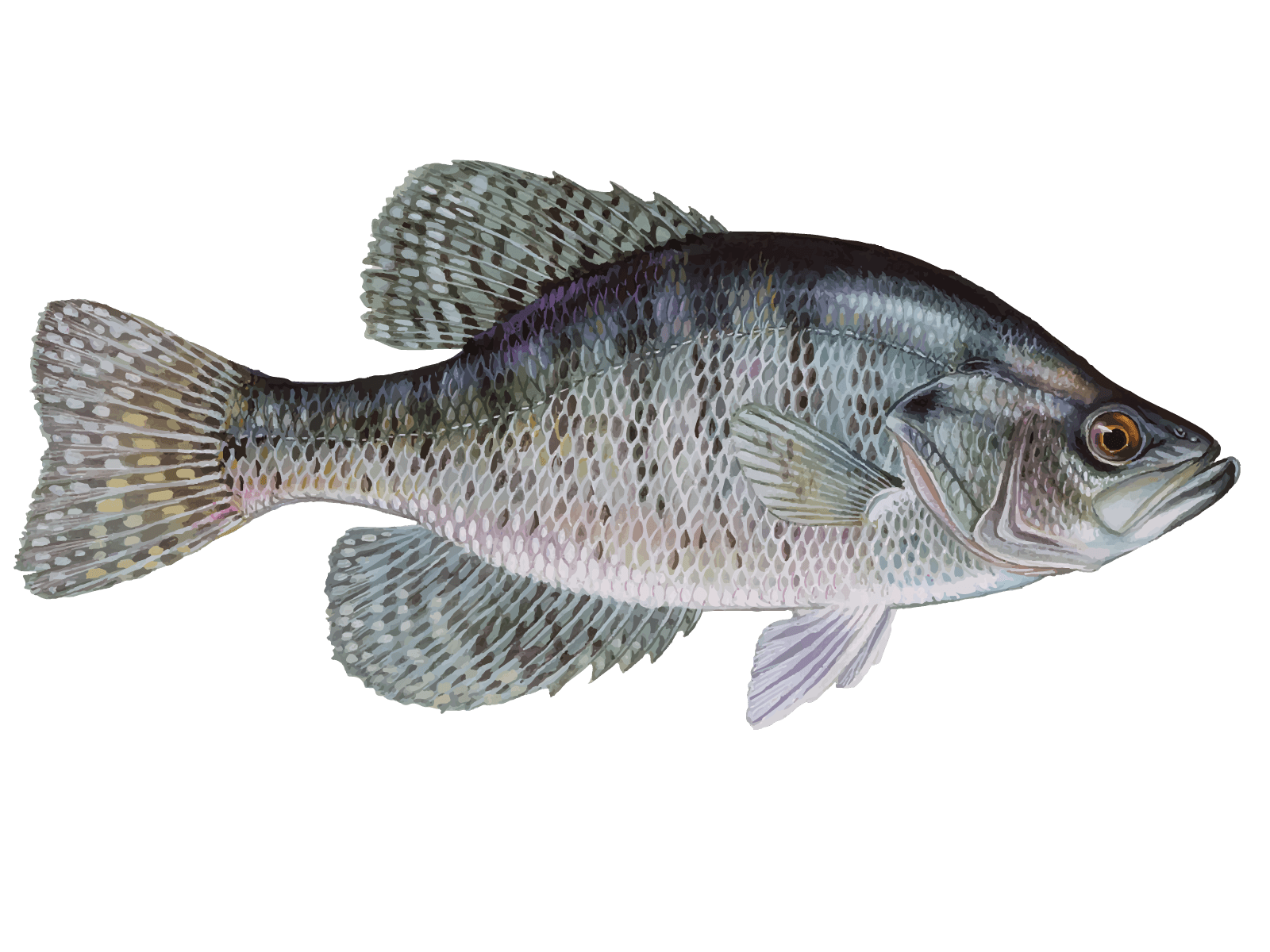
Crappie (Pomoxis nigromaculatus), members of the Centrarchidae family and Perciformes order, are among the most sought-after panfish in North American freshwaters. These popular gamefish are distinguished by their deep, laterally compressed bodies and speckled pattern, making them a favorite target for Lake Fork anglers in Alba, TX during the fall months.
Crappie Overview
Crappie are highly regarded among anglers for their excellent table fare and exciting fishing action. They're schooling fish that provide fast action when located, making them perfect for both beginners and experienced anglers. Their willingness to bite and delicious white flesh have earned them tremendous popularity throughout their range.
Crappie Habitat and Distribution
These fish thrive in lakes, reservoirs, and slow-moving rivers with abundant structure. In Lake Fork, they're typically found around brush piles, standing timber, bridge pilings, and other submerged structures. During fall in Alba, crappie begin transitioning to deeper water, following baitfish schools and seeking more stable water temperatures.
Crappie Size and Weight
While crappie typically range from 4 to 19 inches in length, Lake Fork is known for producing quality specimens. Trophy crappie can reach weights approaching 5 pounds, though fish in the 1-2 pound range are considered excellent catches. The fertile waters of Lake Fork provide ideal growing conditions for developing trophy-sized crappie.
Crappie Diet and Behavior
Crappie primarily feed on small baitfish, insects, and crustaceans. They're visual predators that tend to feed most actively during dawn and dusk. In Lake Fork, crappie form tight schools that follow shad migrations, making their movements somewhat predictable to experienced guides who understand seasonal patterns.
Crappie Spawning Season
Crappie typically spawn in spring when water temperatures reach 60-65°F. Males build nests in shallow water and guard the eggs after females deposit them. By October in Lake Fork, crappie have long completed spawning and are focused on feeding heavily in preparation for winter months.
Crappie Fishing Techniques
For Lake Fork crappie in October, vertical jigging with small soft plastics or live minnows around deeper structure is highly effective. Precise presentation is key, as crappie often suspend at specific depths. Many Lake Fork anglers use lightweight spinning gear with 4-6 pound test line for optimal sensitivity. Spider rigging with multiple rods is another productive method employed by guides to cover water efficiently. During fall months around Alba, focusing on creek channel edges and brush piles in 15-25 feet of water often produces the best results.
Crappie Is It Good to Eat?
Crappie are widely considered one of the best-tasting freshwater fish available. Their firm, white, flaky meat has a mild, sweet flavor that appeals to almost everyone. They're typically prepared by filleting and can be fried, baked, or grilled. Crappie are also nutritionally valuable, providing an excellent source of lean protein and beneficial omega-3 fatty acids while being relatively low in mercury compared to many other sport fish.
Crappie Frequently Asked Questions
Q: What is the best bait for crappie on Lake Fork?
A: Live minnows are consistently effective, but small jigs in white, chartreuse, or pink colors also work exceptionally well. During fall months, 1/16 oz jigs tipped with soft plastics are particularly productive around deeper structure.
Q: Where can I find crappie near Alba, TX?
A: Lake Fork's deeper creek channels, brush piles, bridge pilings, and submerged timber hold excellent concentrations of crappie, especially during fall months. The best spots are often in 15-25 feet of water near drop-offs and creek channel edges.
Q: Is crappie good to eat?
A: Yes, crappie are considered one of the best-tasting freshwater fish. Their white, flaky meat has a mild, sweet flavor that appeals to most palates, making them a prized catch for the table.
Q: When is the best time to catch crappie on Lake Fork?
A: While crappie can be caught year-round, spring and fall tend to be the most productive seasons. October is an excellent time as crappie school up and feed heavily in preparation for winter, making them easier to locate and catch in quantity.
Q: What size crappie can I expect to catch on Lake Fork?
A: Lake Fork produces quality crappie, with average sizes ranging from 10-13 inches. Trophy specimens over 15 inches and weighing 2+ pounds are not uncommon, making it one of Texas's premier crappie destinations.
Q: Do I need special equipment to catch Lake Fork crappie?
A: Light to ultra-light spinning gear with 4-6 pound test line is ideal. While specialized equipment can help, basic spinning gear works well, and Crappie Curtis Guide Service provides all necessary tackle for clients.
More species you can explore on this trip

Crappie Curtis Guide Service Available Trips
Other customer memories from this trip
Accessible pontoon boat